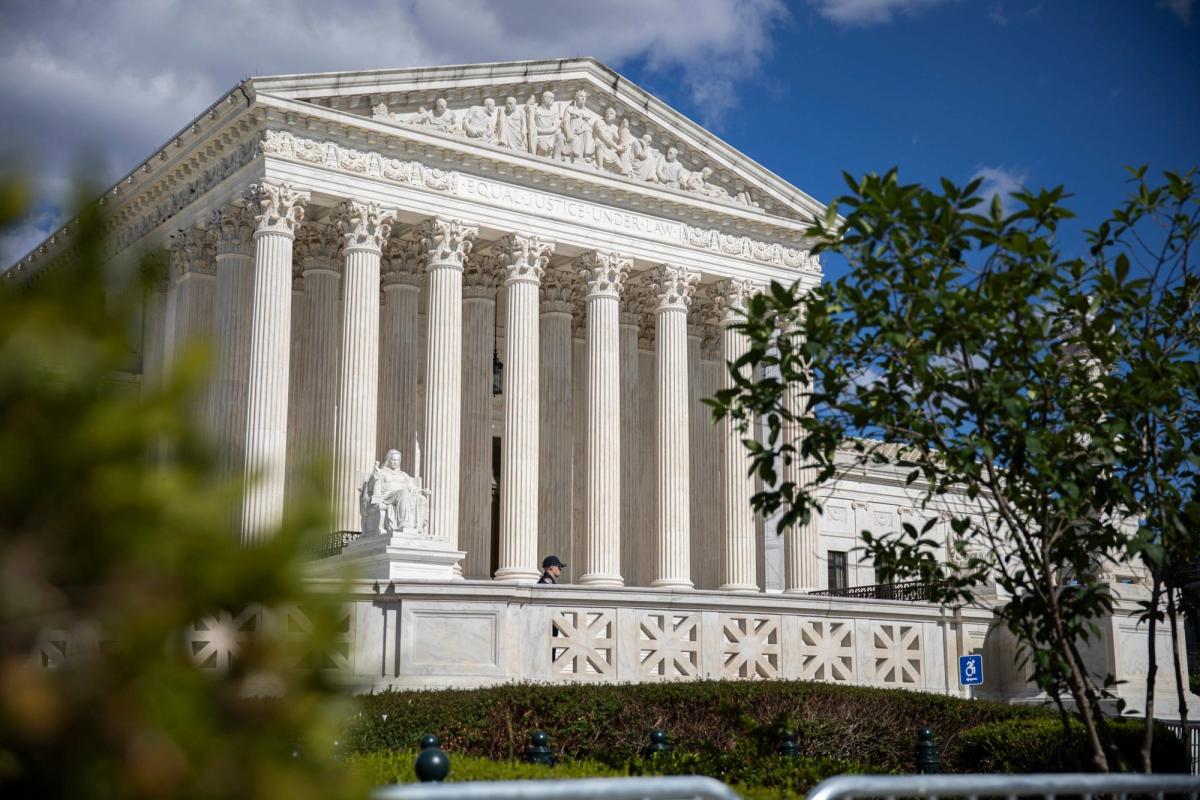
# Court Agrees to Immediately Finalize Voting Rights Act Decision
The Supreme Court has agreed to immediately finalize its decision striking down a core provision of the Voting Rights Act of 1965, according to SCOTUSblog. The Court declined to stay its ruling, meaning the decision takes effect at once rather than facing delay through the appellate process.
The ruling eliminated or substantially weakened protections that previously required certain jurisdictions with histories of racial discrimination to obtain federal approval before changing voting procedures. This preclearance requirement, codified in Section 5 of the Voting Rights Act, stood for nearly five decades as one of the most potent federal tools for preventing voter discrimination.
The decision removes a major federal barrier to voting law changes in jurisdictions covered under the Act's formula. States and localities previously subject to preclearance now face no mandatory federal approval process before implementing new voting rules, though they remain subject to lawsuit under Section 2 of the Act, which applies nationwide and requires proof of discriminatory intent or effect.
The immediate finalization carries practical consequences. States can now implement redistricting plans, voter ID requirements, polling place closures, and other election changes without waiting for federal approval. Civil rights advocates argue this rollback undermines protections for Black voters and other minorities. Election officials in covered jurisdictions gain administrative freedom but face heightened litigation risk.
The ruling applies nationwide. States previously covered by preclearance requirements include Texas, Georgia, Mississippi, Louisiana, Alabama, South Carolina, and portions of other states. Jurisdictions outside the formula gain no immediate changes, but the decision's logic calls the entire statutory scheme into question.
The Court's refusal to stay the ruling accelerates its practical impact. Voting rights groups now must challenge specific state laws under Section 2 or seek relief in lower courts rather than relying on the automatic preclearance barrier. The decision fundamentally