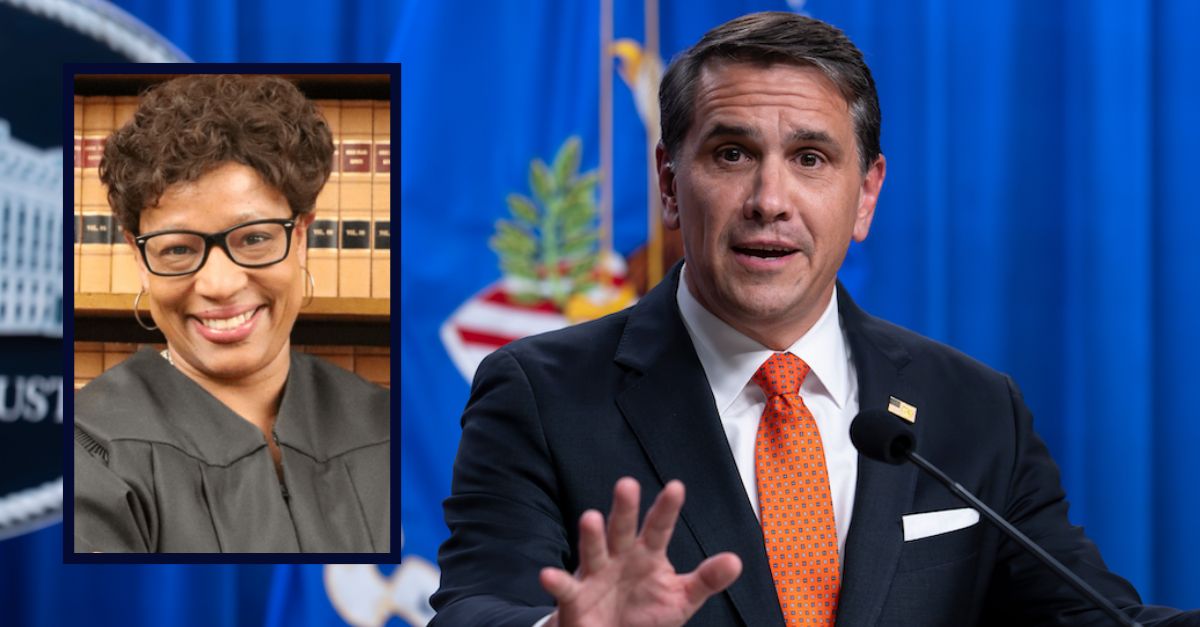
The Department of Justice apologized to a federal judge after the Department of Homeland Security falsely accused her of releasing a murder suspect with knowledge of an outstanding warrant.
DHS had publicly branded the judge an "Activist Biden Judge" and blamed her for the suspect's release. The agency's characterization was inaccurate. The DOJ, tasked with defending the government in court, found itself forced to retract DHS's inflammatory statements and offer a formal apology to the judge.
The incident underscores tensions within the Trump administration between different agencies. DHS made public accusations that lacked factual foundation, requiring the DOJ to perform damage control before the court. Such corrections damage government credibility when agencies contradict one another in legal proceedings.
The judge's role in the matter differed substantially from DHS's public account. Rather than knowingly releasing a dangerous fugitive, the judge appears to have made a decision consistent with judicial authority and existing law. DHS's rushed attribution of blame to the bench signals either poor investigation or deliberate misdirection.
When government agencies misrepresent judicial decisions in public statements, they risk contempt findings and undermine the rule of law. Courts depend on accurate characterizations of their orders. Federal judges cannot perform their functions effectively if executive agencies weaponize false narratives against them.
The DOJ's apology represents standard legal practice. The agency must maintain relationships with courts and preserve institutional credibility. Allowing a sister agency's false claims to stand would compromise the DOJ's standing before judges nationwide.
This episode reflects broader concerns about how immigration enforcement decisions are communicated and justified. When suspects are released pending trial or deportation proceedings, questions about custody decisions require precise legal explanation, not partisan labeling. The distinction between judicial error and partisan activism matters substantially for public understanding of how courts operate.
DHS must now recalibrate how it discusses judicial decisions affecting immigration