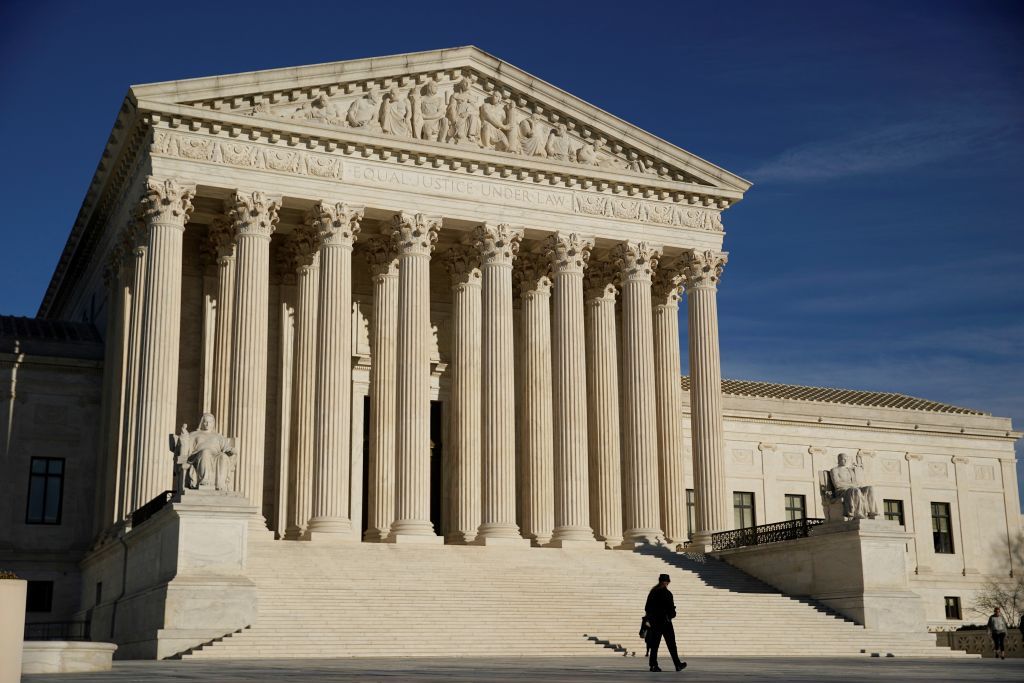
The Supreme Court invalidated Louisiana's congressional redistricting map on Wednesday, ruling that the state engaged in unconstitutional racial gerrymandering. A group of non-African American voters brought the challenge against the map, arguing that race played an impermissible role in its design.
The decision addresses how states can consider race when redrawing district lines following the decennial census. The Court found that Louisiana's approach crossed constitutional boundaries by prioritizing racial considerations in ways that violated the Equal Protection Clause.
This ruling carries immediate implications for Louisiana's representation in Congress and sets precedent for other states defending redistricting decisions. The case reflects ongoing tensions between efforts to ensure minority voting strength and prohibitions against race-based line drawing that disadvantages other groups.
The decision requires Louisiana to adopt a new map that complies with constitutional standards before the next election cycle. State legislatures nationwide now face stricter scrutiny of how they factor race into redistricting decisions, even when seeking to protect minority voting rights.
The specific reasoning behind the Court's majority opinion will influence future voting rights litigation and redistricting practices across multiple states confronting similar legal challenges.