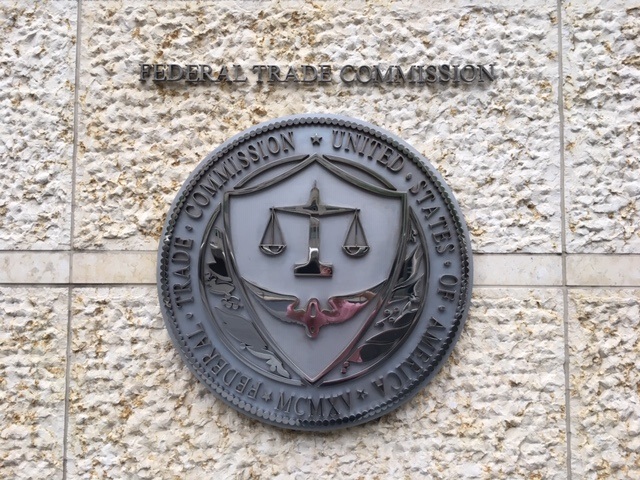
The Federal Trade Commission pressured the Tennessee Supreme Court to abandon American Bar Association accreditation, joining Florida and Texas in deaccreditation efforts. The FTC's intervention signals escalating federal scrutiny of ABA educational standards and licensing requirements.
Florida and Texas law schools previously opted out of ABA accreditation, citing regulatory burdens and cost concerns. The FTC views ABA accreditation as a potential barrier to market entry that limits competition in legal education. By targeting Tennessee's highest court, which oversees bar admission standards in that state, the FTC seeks to expand the momentum against ABA gatekeeping.
The stakes involve fundamental questions about who controls legal education. The ABA maintains accreditation authority over nearly all law schools nationwide. Courts and state bars traditionally defer to ABA standards when admitting attorneys. When states deaccredit ABA requirements, they open pathways for alternative law schools and alternative admission routes.
The FTC's antitrust concerns center on accreditation as anticompetitive conduct. The agency contends that mandatory ABA approval inflates law school tuition, reduces educational options, and protects incumbent institutions from competition. Schools operating without accreditation can theoretically operate cheaper and serve different markets.
Tennessee's position proves critical. If the Tennessee Supreme Court follows Florida and Texas, additional states may follow, fragmenting the national accreditation system. Conversely, Tennessee's refusal to act strengthens the ABA's continuing dominance.
Law schools face immediate consequences. Graduates from deaccredited institutions may face interstate bar admission hurdles. Students considering schools in deaccredited jurisdictions confront uncertainty about future license reciprocity. Employers evaluating lawyer credentials from different educational backgrounds will navigate new complexity.
The legal profession watches whether federal antitrust enforcement can override traditional state and bar control of licensing standards. Attorneys interested in educational reform and market access issues should monitor