# State and Federal Courts Battle Over Roundup Litigation Authority
A jurisdictional dispute has emerged between state and federal courts over which system should handle mass tort cases like the Roundup litigation. The clash centers on whether state courts or federal courts better serve plaintiffs harmed by widespread products.
Federal courts traditionally manage mass torts through consolidated proceedings called multidistrict litigations, or MDLs. This approach theoretically streamlines thousands of claims. State courts argue they possess equal competence and better understand local harms.
The Roundup case, involving allegations that Bayer's herbicide causes cancer, exemplifies the tension. Plaintiffs filed claims across multiple state courts while federal courts also claimed jurisdiction. Each system offers different procedural rules, damage awards, and jury compositions.
Federal judges contend that MDLs prevent inconsistent verdicts and reduce litigation costs. State court advocates counter that local courts provide greater accountability and fairer outcomes for injured residents.
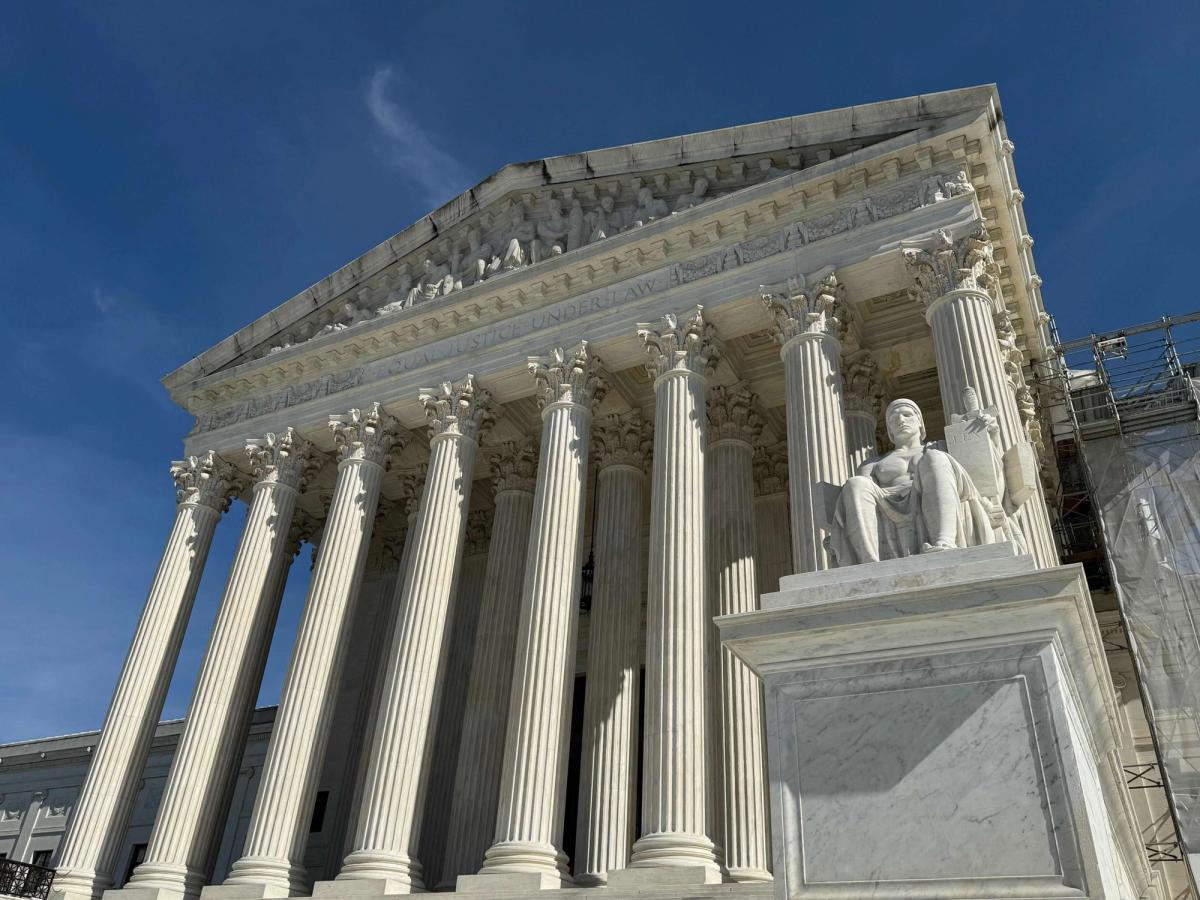
The Supreme Court has not definitively resolved this power struggle. Lower courts continue reaching conflicting conclusions about proper venue and jurisdiction. The outcome affects not only Roundup plaintiffs but also future mass tort litigation involving medications, medical devices, and environmental contamination.
Both systems now compete aggressively for high-stakes cases, raising questions about judicial efficiency and fairness in mass harm litigation.